← Back to Home

Surface Preparation and Coating Inspection

Important Notice: Inspection points presented on this page are provided as representative examples of coating inspection activities. Inspections are selected according to applicable specifications, project requirements and client objectives. Not every inspection point shown below is required on every project. Additional inspections may be performed when justified. Inspection activities are determined on a project-by-project basis.

Coating Inspection

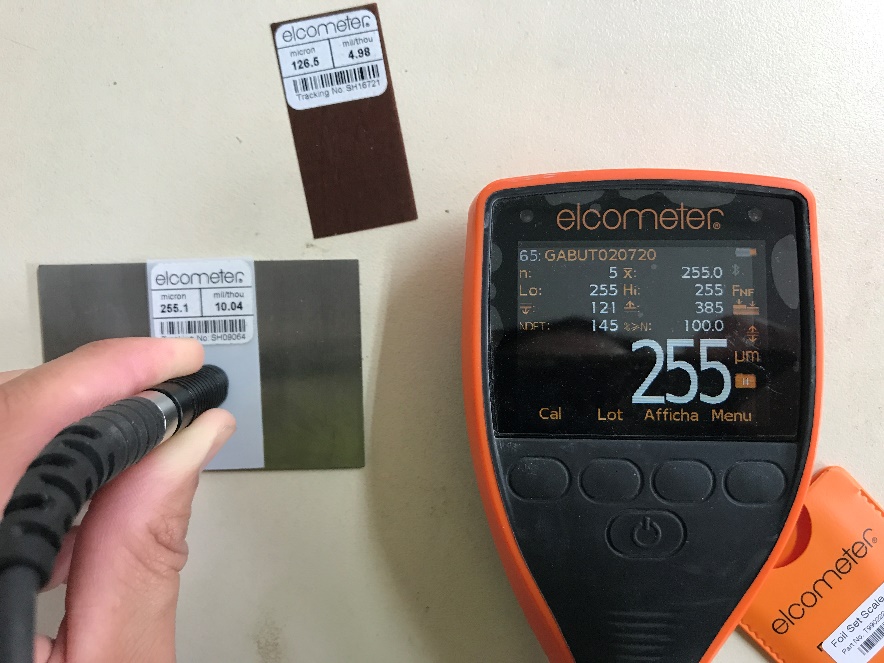
Calibration of the electromagnetic dry film thickness gauge

Dry Film Thickness Gauge Calibration

Verification of dry film thickness gauge accuracy before use.
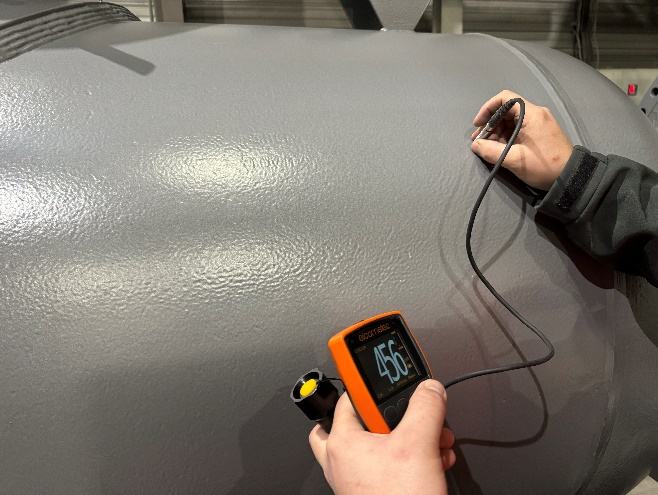
Non-destructive measurement of dry film thickness

Dry Film Thickness Measurement

Measurement of final dry film thickness.
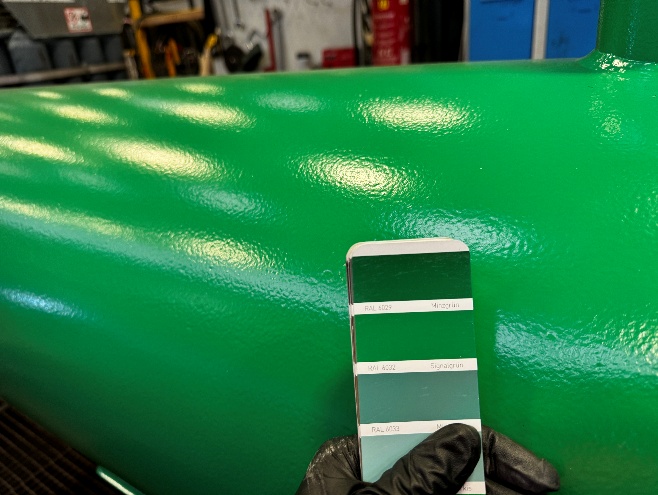
Visual colour verification using a RAL colour chart

Visual RAL Check

Verification of coating colour against the specified RAL reference.
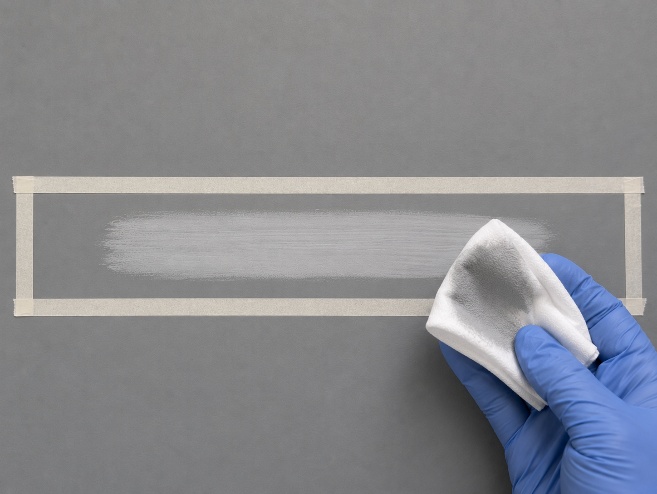
Verification of ethyl silicate coating cure by MEK resistance test

MEK Curing Check

Assessment of Zinc Silicate Curing using the MEK rub method.
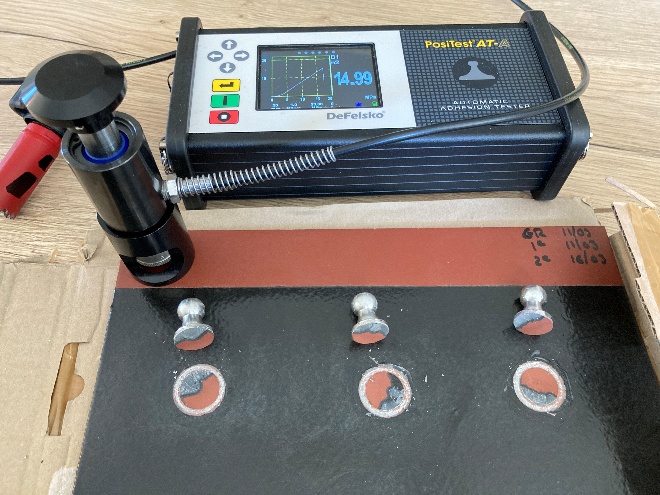
Pull-off adhesion testing on test panels according to ISO 4624 or ISO 16276-1

Adhesion Test on Test Panel

Adhesion testing performed on representative test panels.
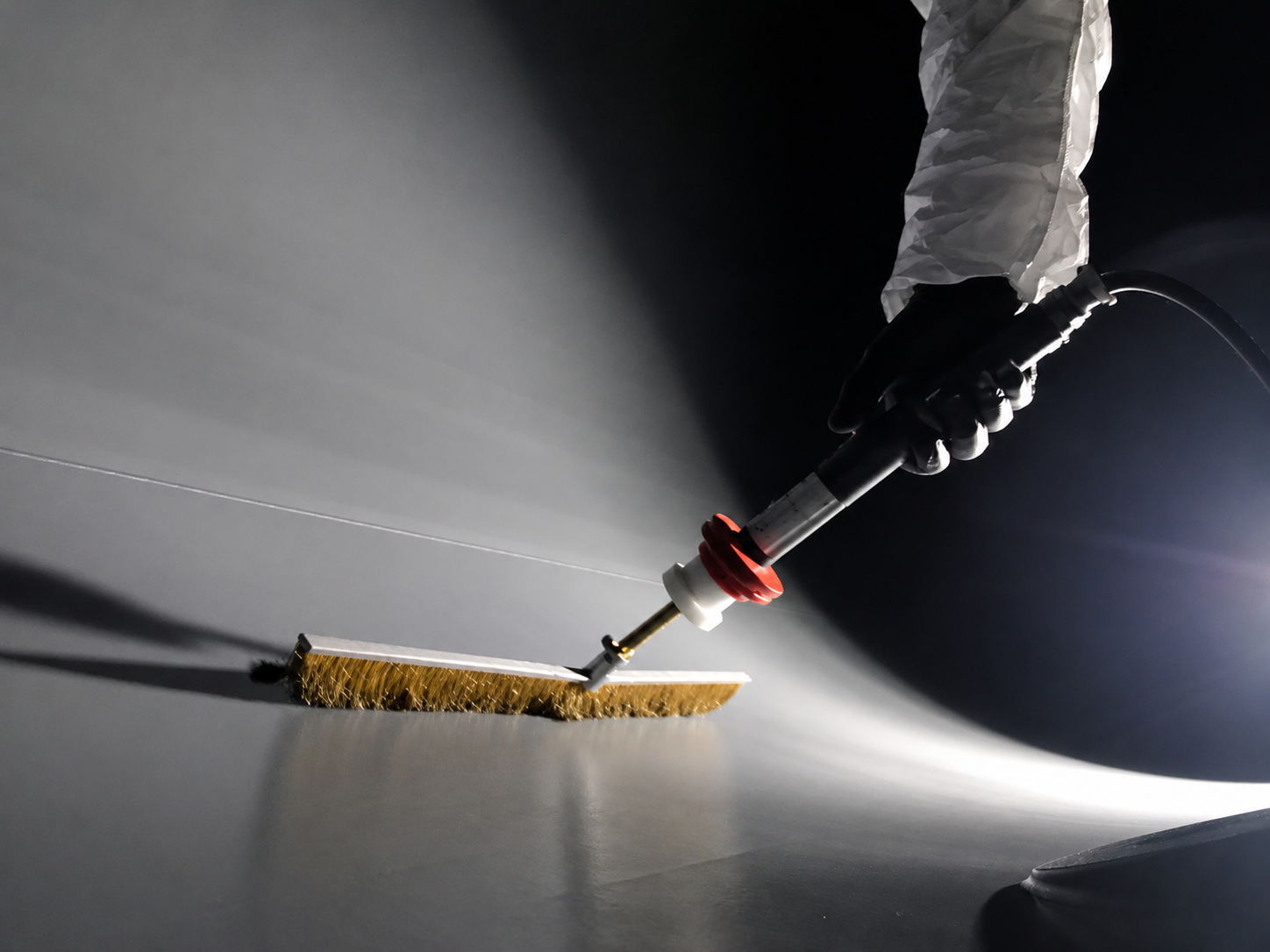
Detection of coating discontinuities using a high-voltage holiday detector

High Voltage Holiday Detection

Detection of coating discontinuities using high voltage equipment.
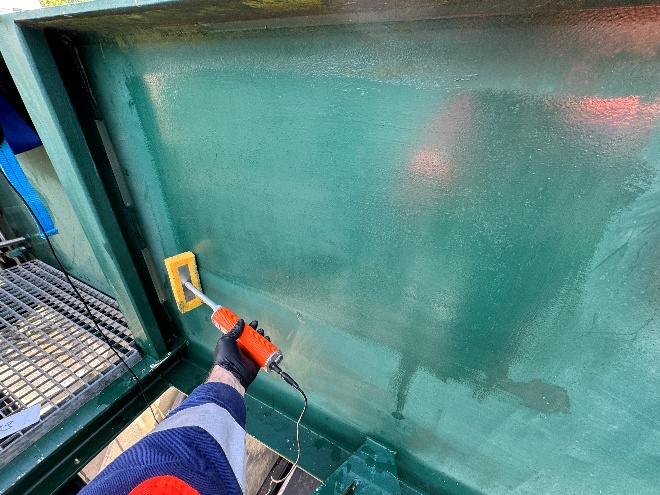
Detection of coating discontinuities using a low-voltage wet sponge tester

Low Voltage Holiday Detection

Detection of coating discontinuities using low voltage equipment.
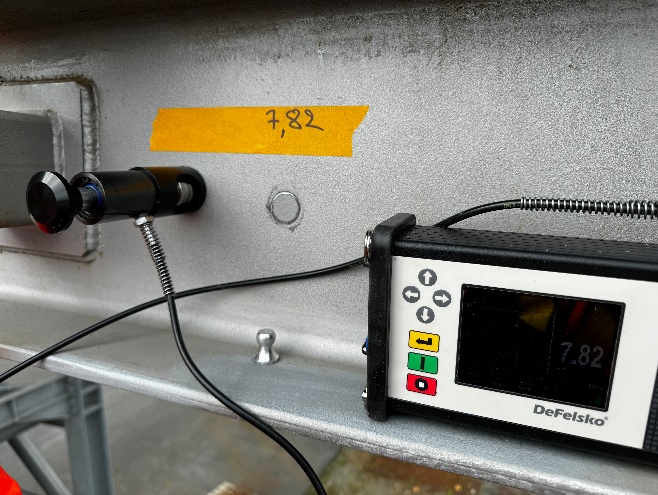
Field pull-off adhesion testing for diagnostic and expert assessment purposes

Pull-Off Adhesion Test

Pull-off adhesion testing performed directly on coated structures.
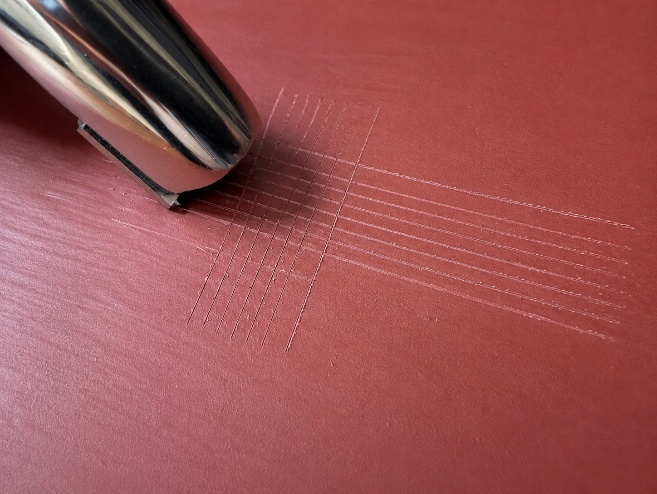
Cross-cut adhesion testing according to ISO 2409

Cross Cut Test

Cross cut adhesion testing where specified.
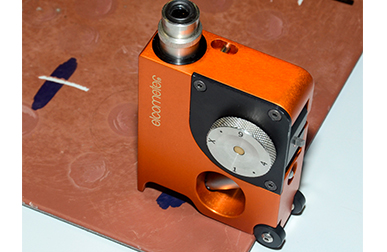
Destructive coating thickness measurement by incision according to ISO 2808

PIG (Paint Inspection Gauge)

Destructive inspection of coating thickness and layers when required.
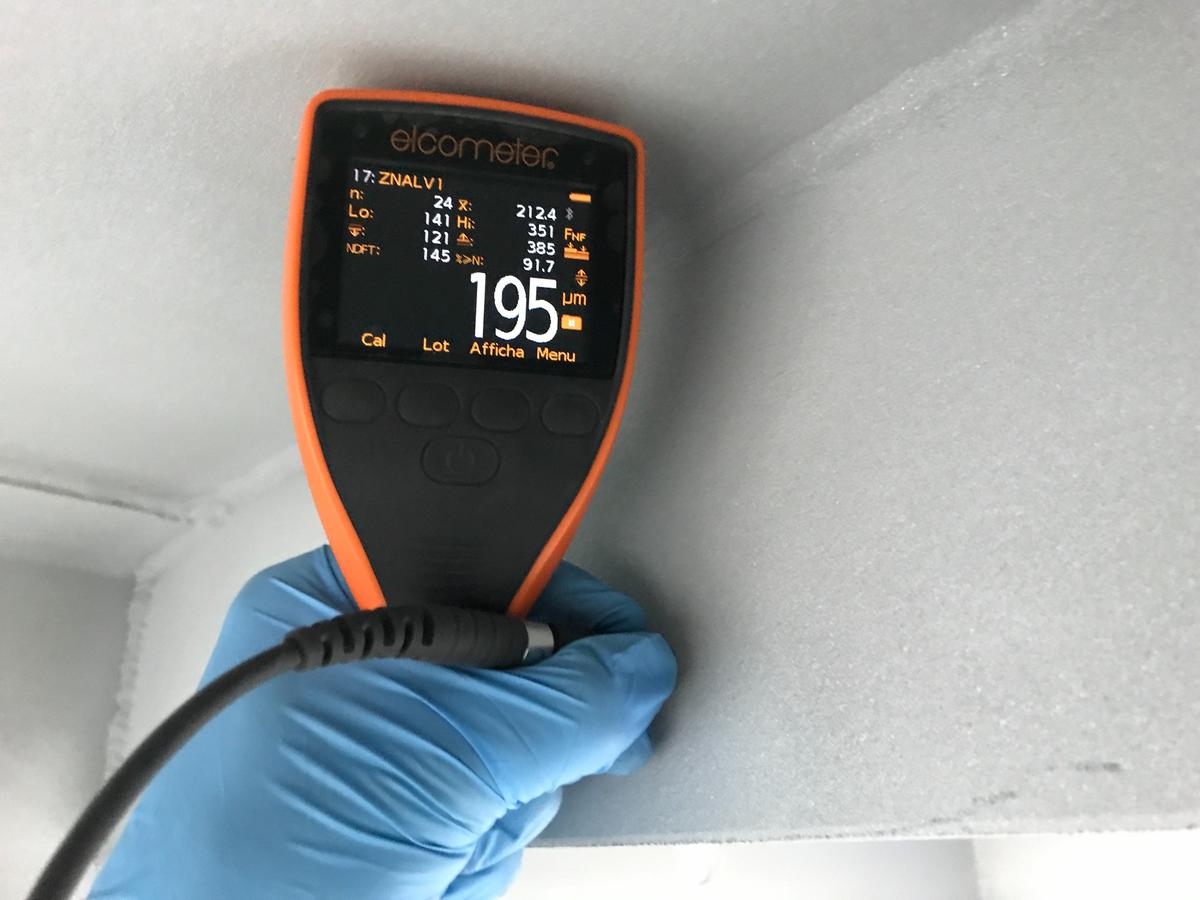
Measurement of thermal spray coating thickness

Thermal Spray Thickness Measurement

Measurement of thermal spray layer thickness.
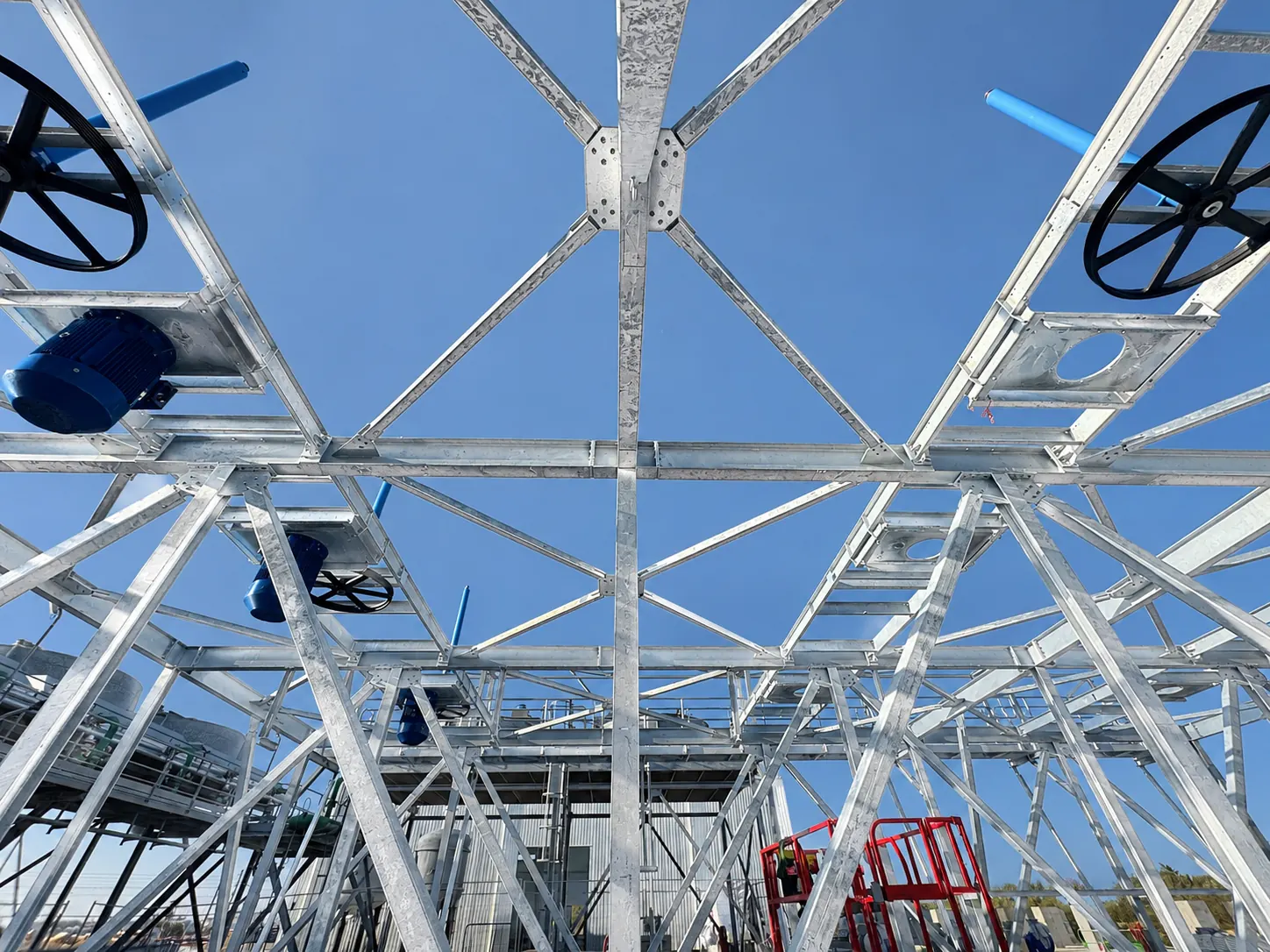
Inspection of hot-dip galvanized coating thickness and visual appearance

Hot Dip Galvanization

HDG inspection for Visual, Thickness, Damages etc...
Coating Application

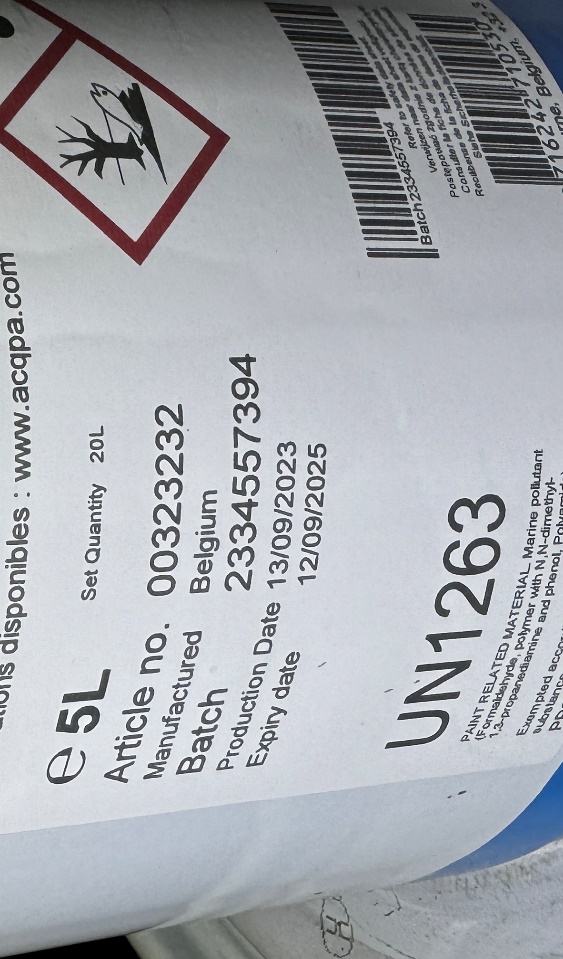
Verification of information displayed on the paint product label

Paint Product Verification

Verification of paint type, batch number, expiry date etc...
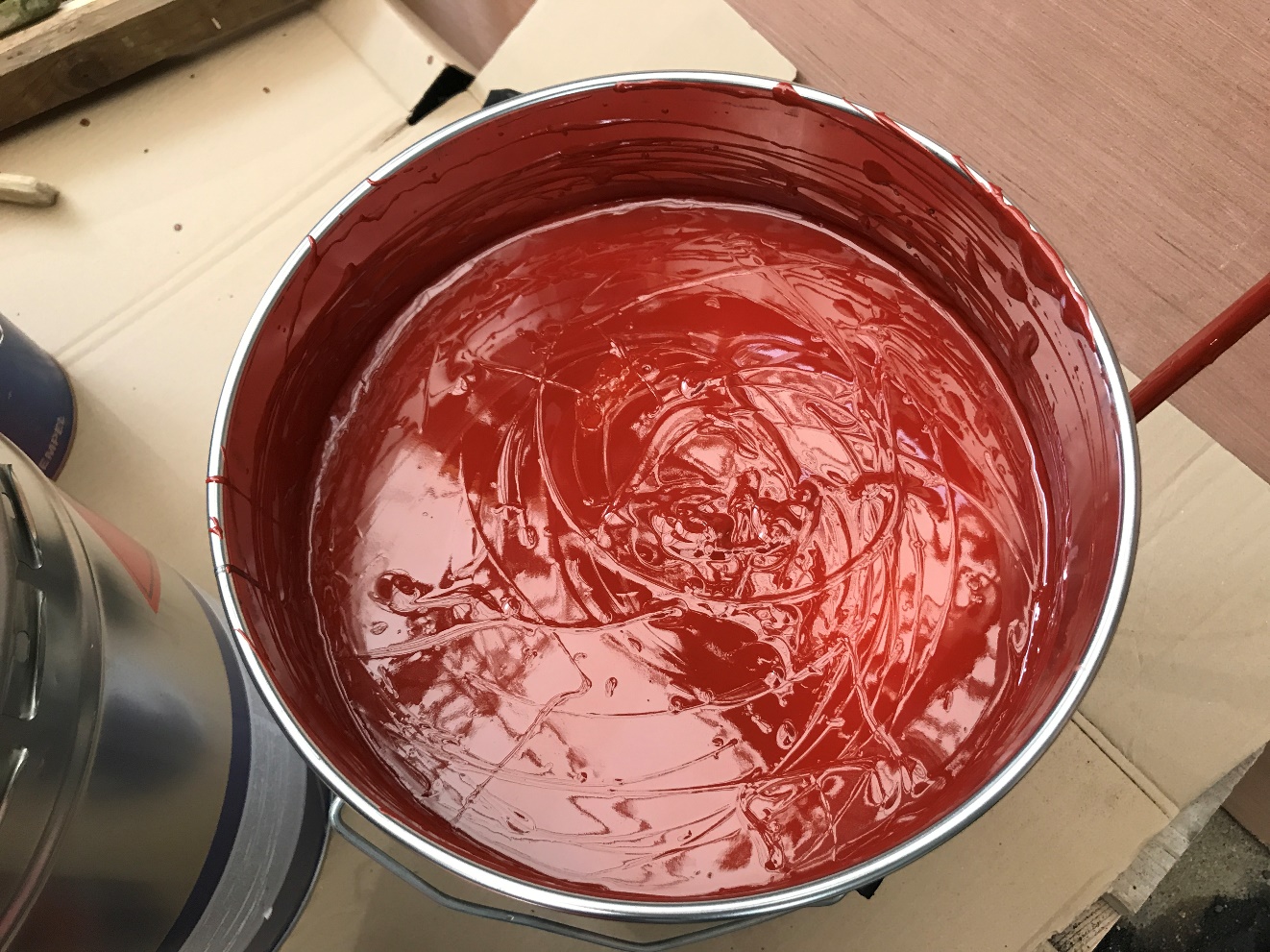
Inspection of component mixing according to the manufacturer's data sheet

Visual Inspection of mixing Before Application

Verification good condition of product and proper mixing.
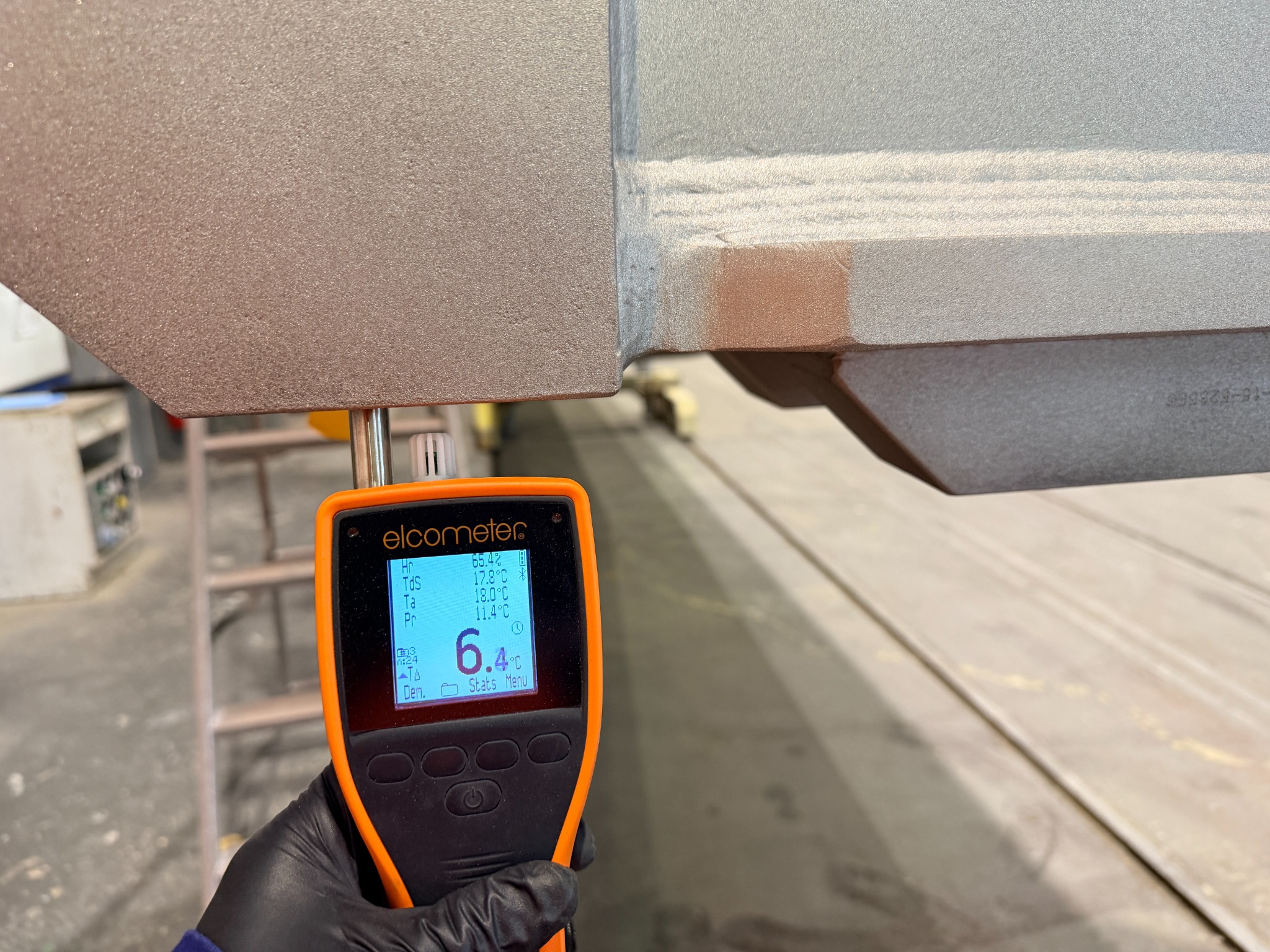
Measurement of climatic conditions during coating application

Climatic Conditions During Application

Verification of climatic conditions before and during coating application to ensure compliance with requirements.
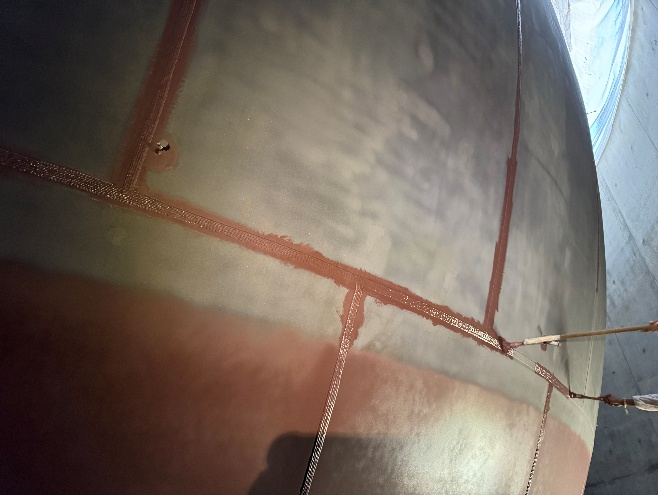
Monitoring of stripe coat application on critical areas

Stripe Coating Check

Verification of stripe coating on edges, welds and critical areas.
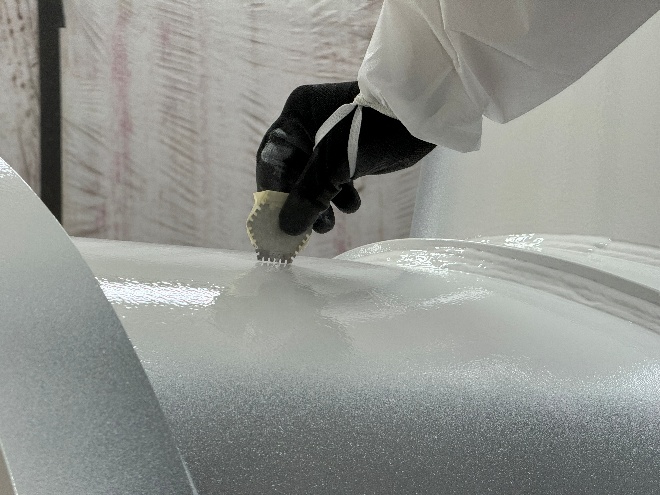
Measurement of wet film thickness according to ISO 2808

Wet Film Thickness Check

Check of wet film thickness during application.
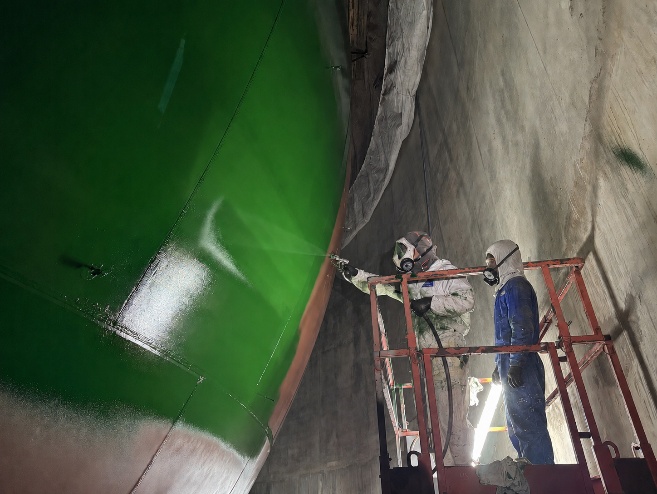
Application of coating by airless spray

Application Surveillance

Monitoring of coating application activities and workmanship.
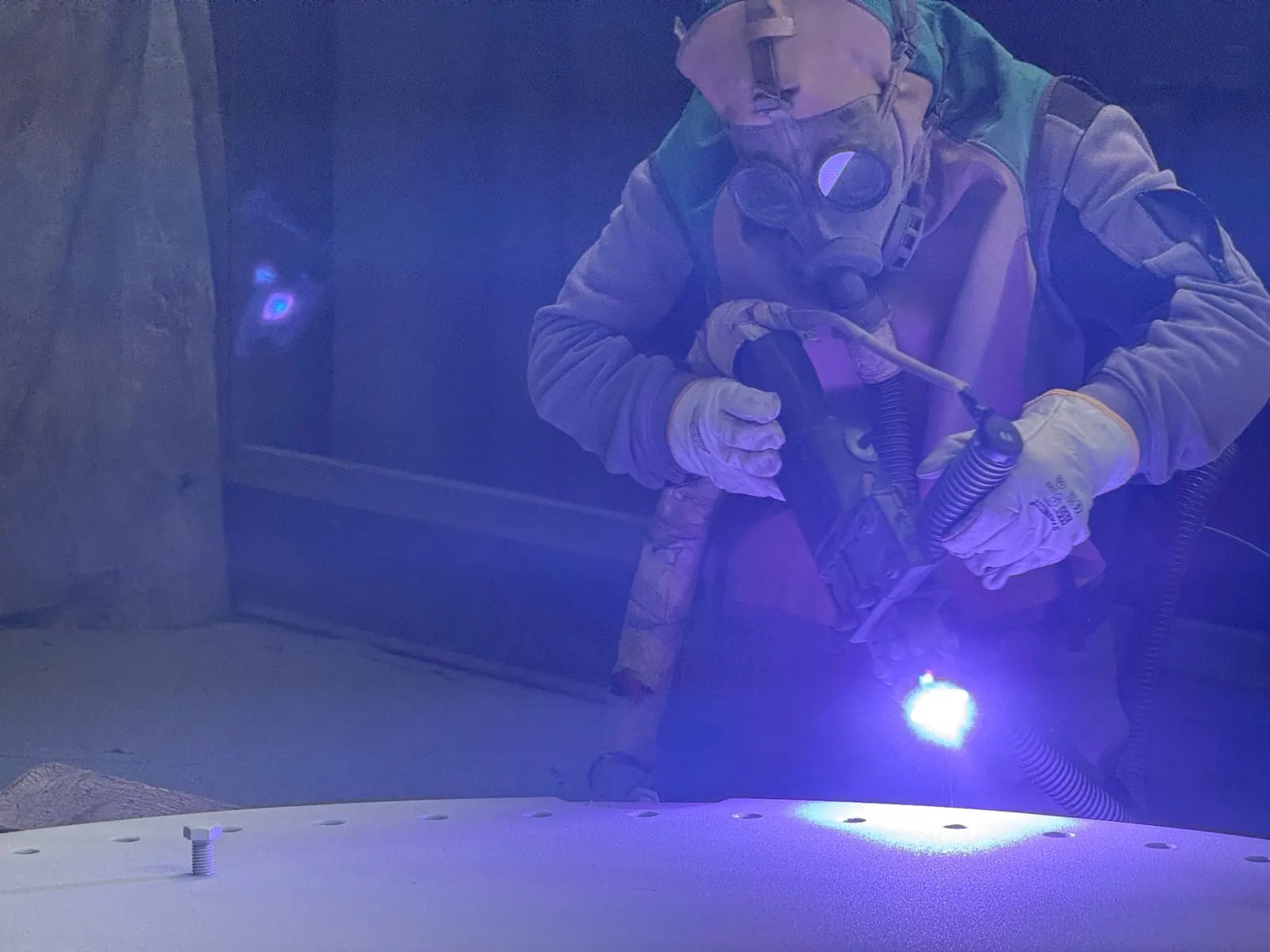
Application of a thermally sprayed metallic coating

Application Surveillance

Monitoring of thermal spraying application activities and workmanship.
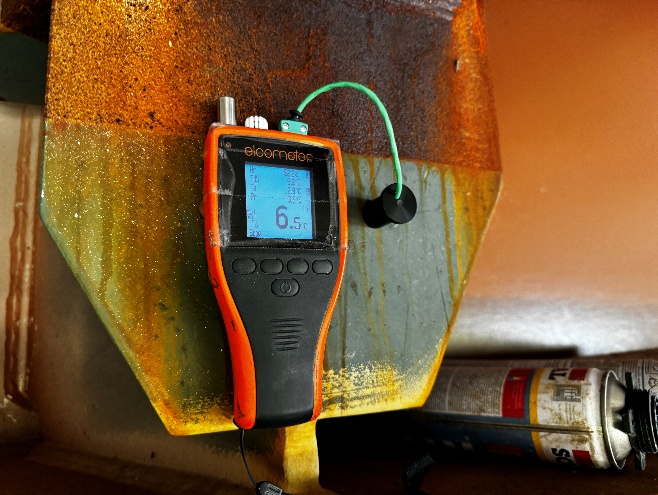
Surface Preparation

Measurement of climatic conditions according to ISO 8502-4 before surface preparation

Climatic Conditions

Verification of ambient conditions, surface temperature and dew point.
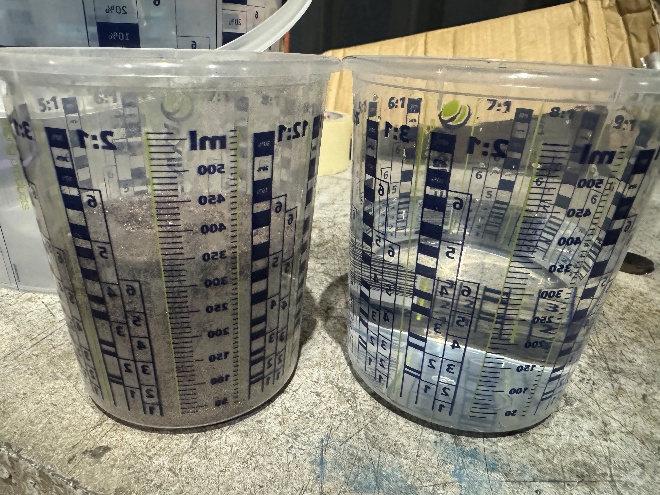
Assessment of soluble salt contamination in abrasives according to ASTM D4940

Abrasive Contamination

Assessment of abrasive cleanliness before use.
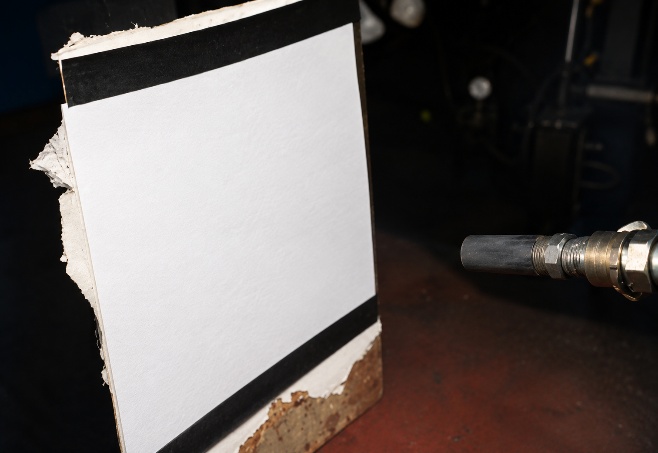
Detection of oil and moisture in compressed air according to ASTM D4285

Blotter Test

Compressed air cleanliness check for oil and moisture contamination.
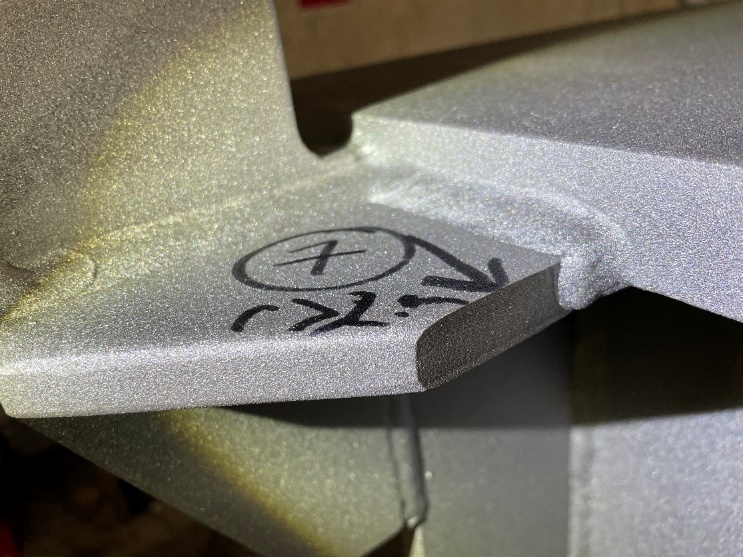
Assessment of edge preparation grade according to ISO 8501-3 (P1, P2 or P3)

Steelwork Preparation Grade

Assessment of edges, welds and surface imperfections according applicable standards.
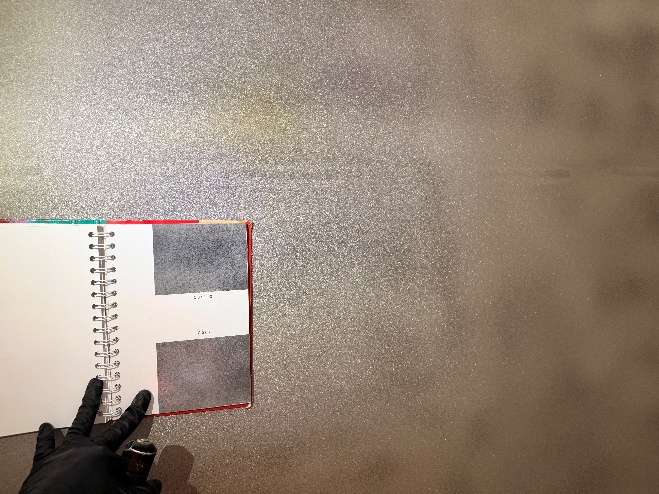
Assessment of surface preparation grade after abrasive blast-cleaning

Blast Cleaning Grade

Visual assessment of blast-cleaned steel surfaces.
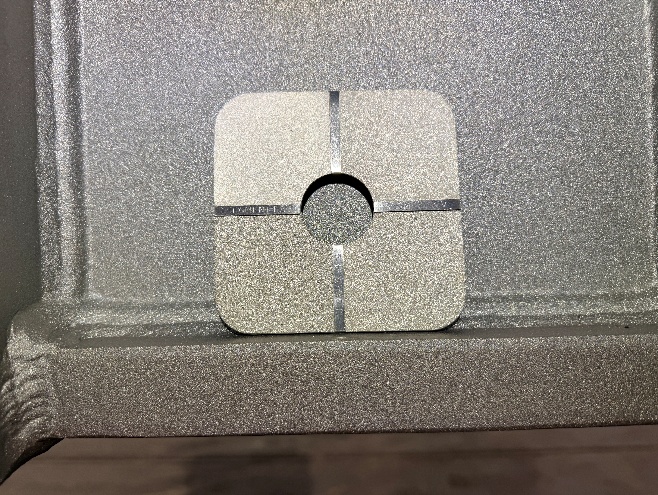
Classification of surface profile using the ISO 8503-2 comparator

Roughness

Assessment of surface profile using visual-tactile comparator methods.
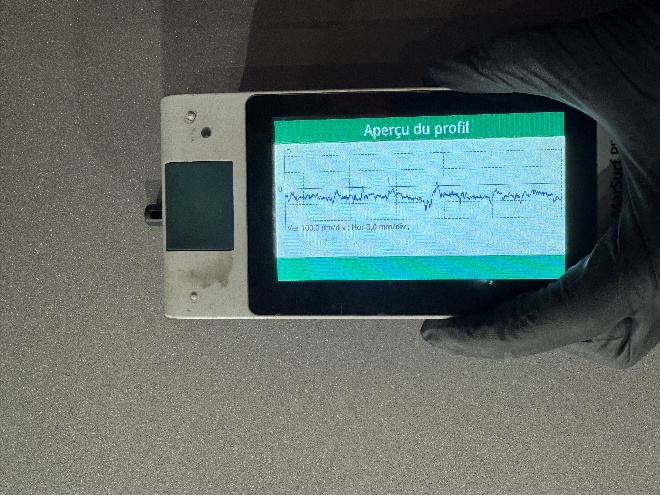
Measurement of surface profile using a stylus roughness gauge according to ASTM D4417 Method B

Surface Profile Measurement

Surface profile measurement using a depth micrometer.
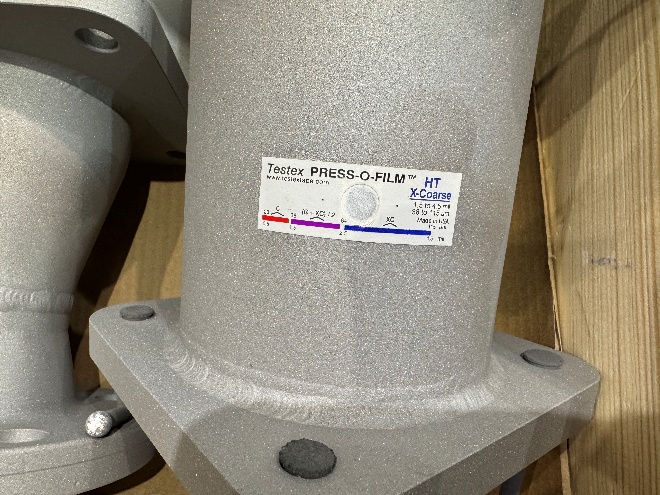
Measurement of surface profile using replica tape according to ASTM D4417 Method C

Surface Profile Measurement

Surface profile measurement using replica tape method.
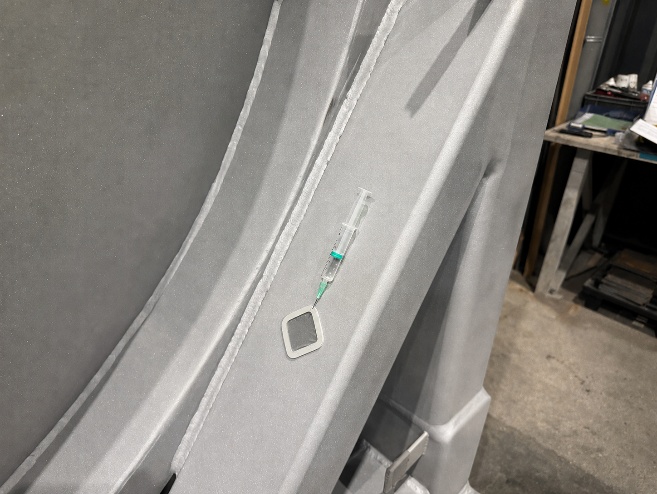
Inspection of soluble salts using the Bresle method according to ISO 8502-6 and ISO 8502-9

Bresle Test / Soluble Salt Contamination

Evaluation of soluble salt contamination on prepared surfaces.
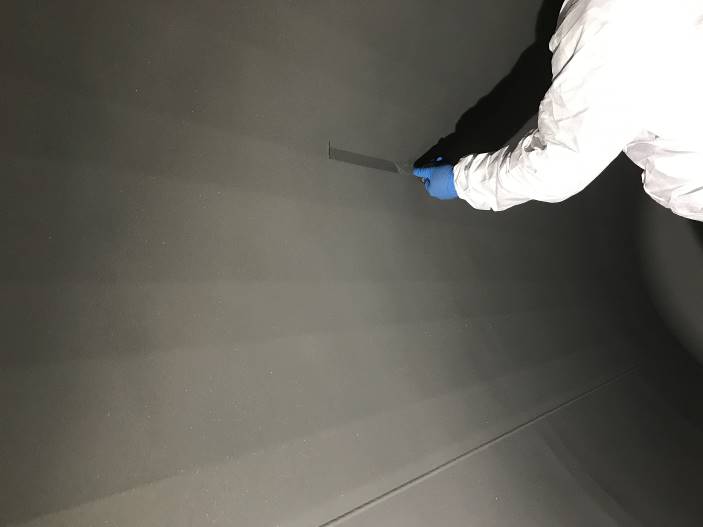
Assessment of dust contamination after blast-cleaning according to ISO 8502-3

Dust Test

Assessment of residual dust prior to coating application.
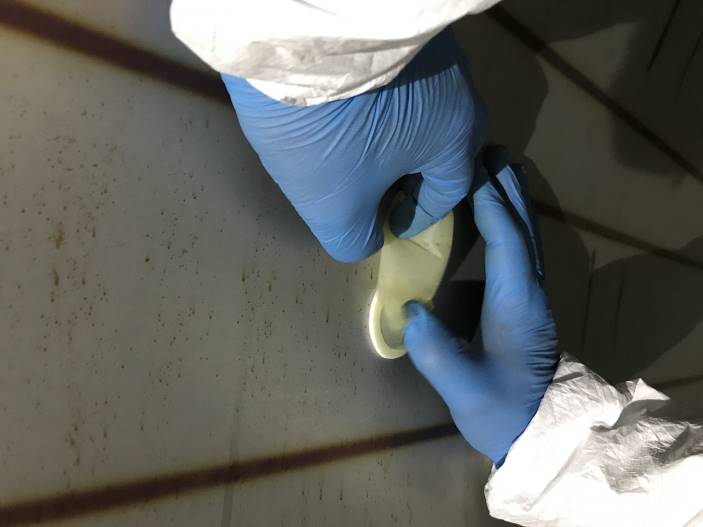
Measurement of soluble surface chlorides, sulfates and nitrates

CSN Test Sampling

Sampling and verification of chloride, sulfate and nitrate contamination.